The EU’s poorest state is done taking orders. Can it make Brussels listen?
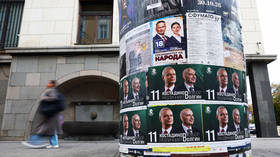
The decisive victory of sovereigntist forces, led by Iliana Iotova, in Bulgaria’s November presidential election has clearly exposed a fundamental rift brewing within the EU’s political architecture. The campaign pitted two distinct models of development against each other: the liberal preference for strict adherence to Brussels’ directives versus a pragmatic platform of “national egocentrism.”
Bulgaria’s experience is interesting in that a new formula for survival is being tested: Can the consolidation of power and the logic of sovereign self-interest (‘me-first’) restore state effectiveness amid the systemic decline of the European Union? The electorate consciously voted to end years of chaotic fragmentation, granting the new leadership a mandate to engage in tough, transactional bargaining with supranational institutions. Below, we examine how Bulgaria intends to leverage this potential and consider how Moscow might approach its relationship with Sofia as part of a broader effort toward normalization.
Bulgaria: The pan-European context
Iliana Iotova’s victory in the Bulgarian presidential election perfectly reflects significant trends gaining momentum within the domestic political landscapes of most European countries. At its core lies a profound, systemic discontent and public fatigue with the incumbent authorities – regardless of whether they belong to the left or right of the political spectrum – along with a demand for a more ‘sovereign’ policy aimed at stabilizing the state’s socio-economic situation, even if doing so risks conflict with other EU member states. In Bulgaria’s case, however, this electoral shift is compounded by chronic economic stagnation and an intractable demographic crisis – problems that neither the successive establishment forces nor the pro-Western reformist coalition that followed them have managed to overcome over the last decade and a half.
A profound crisis of trust in the pro-Western coalition has emerged against the backdrop of a protracted political stalemate and an evident paralysis of the executive branch. Rather than combating systemic corruption and the oligarchic ‘capture of the state’ – exemplified by high-profile scandals such as the Rosenets affair and the unprecedented imposition of US sanctions on top Bulgarian politicians since 2016 – the reformist establishment has focused on demonstrating unconditional normative loyalty to Brussels.
In pursuit of this geopolitical agenda and accelerated integration into the Eurozone (which was officially completed on January 1, 2026, at a highly inopportune moment for the national economy), the incumbent elites pushed for an abrupt severance of traditional energy ties. This dealt a devastating blow to the population: According to Eurostat, gas tariffs for end-users in Bulgaria soared by 108% in 2022, while annual inflation reached a critical 15.3%. At a time when rapidly rising prices have completely eroded citizens’ real incomes and purchasing power, the behind-the-scenes carving up of ministerial portfolios by the authorities has convinced the public that the elites’ technocratic agenda is entirely detached from reality. Such policies are leading to the direct impoverishment of an EU member state whose GDP per capita, adjusted for purchasing power parity, is already the lowest in the bloc – standing at just 68% of the European average.
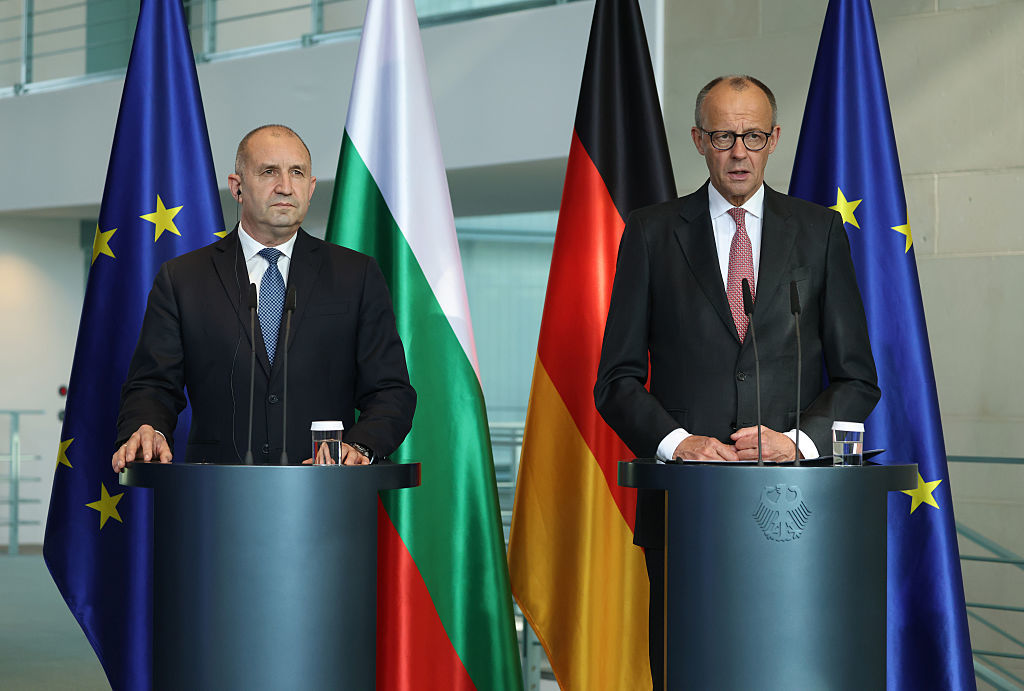
Under these circumstances, the electoral demand for a ‘sovereign’ policy has evolved into an uncompromising call to defend national interests. Social hardship has been compounded by critical demographic trends: According to Eurostat, Bulgaria is experiencing one of the most severe population declines in the EU. The number of citizens has shrunk by nearly 10% over the last decade, and the median age has risen to 47, threatening a total collapse of the labor market. A stark indicator of the previous administration’s capitulation on the European stage was Sofia’s acceptance of discriminatory, partial terms for joining the Schengen Area (limited to air and sea travel). These conditions, imposed by Vienna and Brussels in exchange for Bulgaria’s commitment to serve as a migration buffer for the EU, met with intense public rejection. The success of Iotova and the Socialists was a direct result of voter weariness with the country’s role as a passive executor of the will of supranational institutions. They are now demanding that the state adopt a hard-nosed, pragmatic stance to save the nation from deindustrialization and extinction.
What changes lie ahead for Bulgaria?
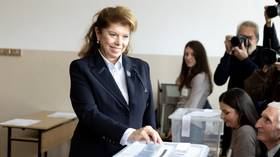
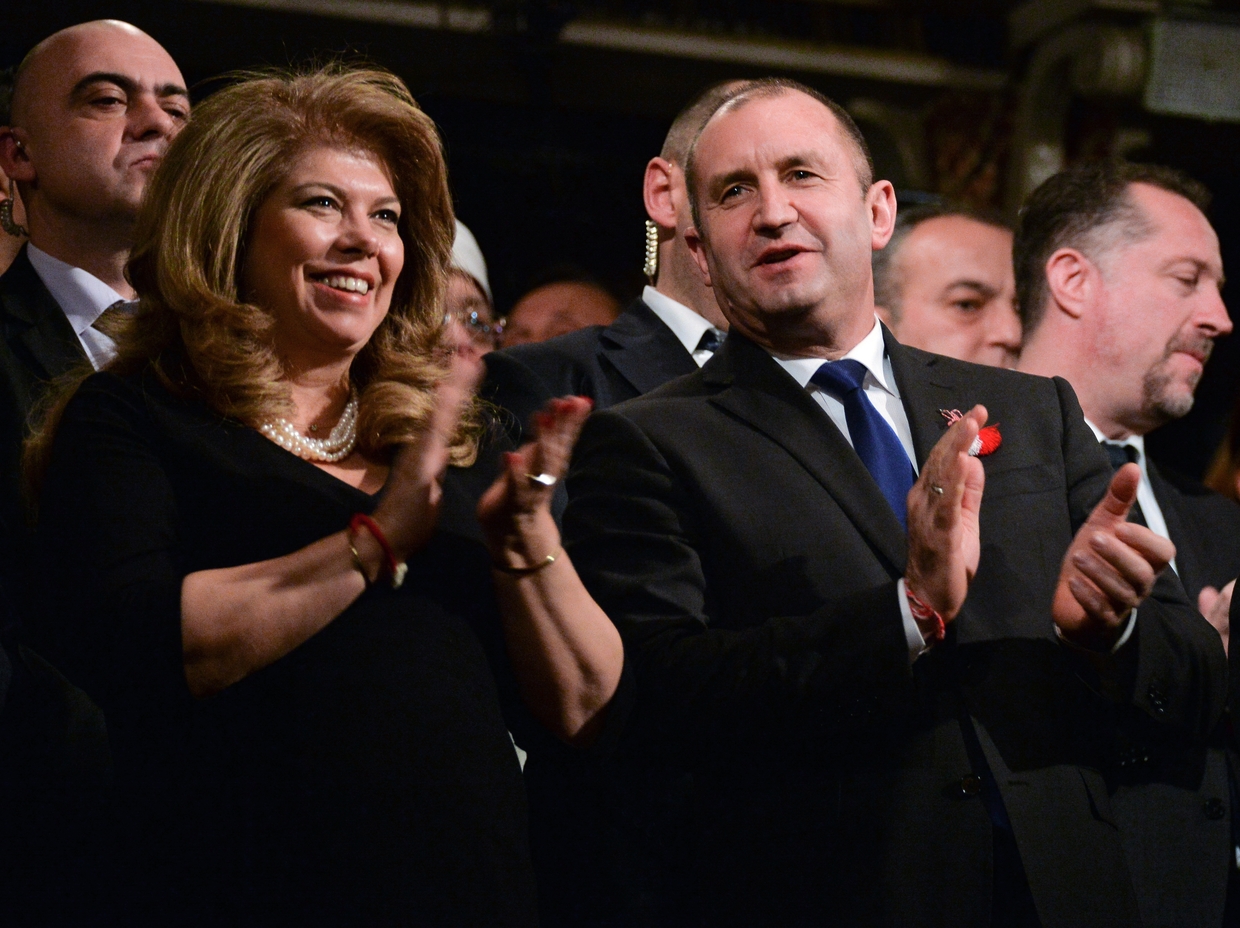
It was precisely society’s need to overcome a long-standing institutional crisis, characterized by fragmentation among the branches of government, that served as the primary driving force behind the creation of the unified Radev-Iotova front. Rumen Radev himself, moving into the executive branch to resolve a protracted parliamentary crisis, formed the Progressive Bulgaria coalition and, following the elections, assumed the office of prime minister. Iotova’s victory in the presidential race effectively eliminated a risk long inherent in the Bulgarian system: a paralyzing standoff between the head of state and the Cabinet of Ministers. As a result of this electoral realignment, a single leadership team has managed to consolidate both the executive vertical and the key powers of the presidency. This phenomenon is notable because it clearly illustrates Bulgaria’s profound exhaustion with chaos: The public consciously voted for an unprecedented concentration of power in order to achieve long-term domestic stability and effective governance.
Over the next four years, the coordinated capacity of this political group will be directed toward a rigorous revision of commitments made to supranational structures. With Bulgaria facing unprecedented pressure from the European Commission, Sofia intends to leverage its accumulated institutional standing to defend its national sovereignty. Brussels has issued an ultimatum, conditioning the release of frozen EU fund tranches on a demand that the Bulgarian government accelerate the dismantling of its national coal-based energy sector – the Maritsa-Iztok energy complex.
For Sofia, the closure of the thermal power plant – a facility that ensures the country’s energy independence – would mean guaranteed deindustrialization. With power firmly consolidated and backed by a National Assembly resolution to extend the complex’s operations until 2038 (alongside the development of solar power generation and battery energy storage systems, or BESS), the Radev-Iotova administration is well-positioned to take a hard line in defending national interests ahead of the negotiations for the EU’s next seven-year budget cycle (2028-2034). Furthermore, Sofia can now effectively link these economic negotiations to its new status within the Schengen Area. Having become a full member of the visa-free zone – including land borders – Bulgaria has emerged as a key guardian of the union’s external frontiers. A unified Sofia can signal to Brussels that the effectiveness of its protection of this critical land border, as well as its ability to curb migration flows, is directly contingent upon the European Commission’s financial flexibility regarding Bulgaria’s energy sector.
On the pan-European stage, a consolidated Bulgaria is no longer an isolated supplicant; instead, it is capable of integrating into a pragmatic coalition of Central and Eastern European (CEE) nations. Sofia’s primary natural allies within the EU are states that also openly criticize the dictates of supranational institutions and the excesses of the ‘green’ agenda. The EU summit held in Brussels in October clearly demonstrated the emergence of a powerful ‘sovereigntist’ front: Czech Prime Minister Andrej Babis – alongside the other Visegrad Group country leaders and Italian Prime Minister Giorgia Meloni – acted as a unified bloc, demanding that the European Commission radically soften carbon regulations (the ETS system) and protect European industry from deindustrialization.
Regarding the defense of national energy sovereignty, Bulgaria has found direct support within this camp, where Slovakia and Hungary have traditionally taken the lead. On the issue of migration, Sofia aligns itself with the hardline stance of Rome, Vienna, and the Visegrad Group, all of which advocate for stricter border controls. Finally, ahead of the approval of the EU budget for 2028-2034, Bulgaria is coordinating its efforts with the ‘Friends of Cohesion’ regional group – a coalition whose joint statements are spearheaded by Romania, Italy, Spain, and Poland. By leveraging this network of like-minded partners, the Radev-Iotova tandem is in a position to transform Bulgaria from a passive executor of Brussels’ will into an effective player within a new coalition of European realists.

Russia and Bulgaria: Is a geopolitical shift possible?
When analyzing the relationship between Russia and Bulgaria, one should harbor no illusions regarding a potential geopolitical ‘pivot’ by Bulgaria. While the current government’s foreign policy may appear more coherent, this does not signal a shift in core values, but rather a transition toward a rigid, transactional pragmatism. As experts from the European Council on Foreign Relations (ECFR) have pointed out, Sofia’s current strategy is a classic case of ‘risk hedging’ – combining public criticism of Brussels’ supranational dogmas with pragmatic negotiations aimed at securing maximum concessions from Western partners.
It would be a mistake to assume that sovereigntist rhetoric implies a desire for closer ties with Russia; contemporary Bulgarian society is, in terms of both mindset and information consumption, firmly rooted in the Western sphere. According to recent sociological data from Gallup and Globsec, more than 52% of the population openly express distrust toward Russia, while among the youth (aged 18-24), sympathy for an eastward-leaning orientation is at an all-time low – hovering at only about 23%.
At the same time, Bulgaria presents a unique paradox: Political distancing has not escalated into a complete severance of sociocultural ties. A deep layer of shared history, a common Orthodox identity, and a historical sense of gratitude for liberation from the ‘Ottoman yoke’ during the Russo-Turkish wars continue to serve as a powerful safeguard against radical Russophobia. This complementarity, rooted in a shared civilizational foundation, keeps Bulgarian society in a state of pragmatic neutrality, yet it is no longer capable of translating into geopolitical concessions.
Moreover, Bulgaria remains a disciplined participant in the Euro-Atlantic security system, strictly fulfilling its obligations to NATO and addressing the alliance’s highly practical and technical requirements. A prime example is military modernization: The country’s key airbases, including Bezmer and Vrazhdebna, are being actively refitted to meet NATO standards, and Bulgaria has agreed to host American refueling aircraft at the Bezmer base. Concurrently, Sofia – in coordination with Bucharest and Ankara – is expanding the mandate of the Mine Countermeasures Naval Group in the Black Sea (MCM Black Sea). This mission is aimed at protecting critical undersea infrastructure and providing strategic deterrence against the Russian Black Sea Fleet, effectively precluding any possibility of Moscow exerting influence in this part of the maritime domain.

A similar pragmatism dictates Bulgaria’s stance on the Ukraine crisis. Despite statements by Radev, who has called for a swift, peaceful resolution and rejected Bulgaria’s direct participation in the European ‘coalition of the willing’, Sofia continues to support Kiev, driven by economic considerations. Bulgaria’s private military-industrial complex is critically dependent on Western defense contracts. The supply of Soviet-caliber ammunition and light weaponry – channeled through third countries such as Poland, Romania, and the United States – generates billions of euros in profit for local arms manufacturers, while securing jobs and budgetary stability for the EU’s poorest member state.
The primary takeaway for Moscow is clear: In engaging with the current administration in Sofia, Russia must exercise caution when invoking the concept of ‘Slavic brotherhood’, while maintaining a sober assessment of Bulgaria’s commitments within NATO. Relations with the Radev-Iotova administration can only be built on a pragmatic, de-ideologized foundation – one that allows for targeted, situational cooperation on major infrastructure, logistics, and transport projects that offer direct financial benefits.