Ebola death toll surpasses 4,400
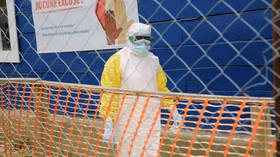
The death toll from an Ebola outbreak in the Democratic Republic of the Congo has surpassed 4,400, with more than 9,100 infections recorded since the epidemic began, the country’s Health Ministry reported on Tuesday.
According to its latest figures, 4,410 people have died out of 9,144 confirmed cases, putting the fatality rate at 48.2%. The majority of new cases were reported in Ituri Province, which remains the epicenter of the outbreak, accounting for nearly three-quarters of all infections. Sixty-five health zones across seven provinces have been affected.
The outbreak was officially declared on May 15 and involves the Bundibugyo strain of the Ebola virus for which there are currently no approved vaccines or targeted treatments available.
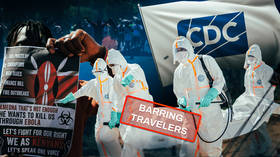
The epidemic has also spread beyond DR Congo, with Kenya confirming its first-ever Ebola case last week after a man who had lived in DR Congo for seven years died in a Nairobi hospital. The patient had traveled through Uganda before arriving in Kenya on October 3. Kenyan authorities have identified 28 contacts and are tracing another 27 passengers and crew members from his flight.
Earlier this month, Congolese Health Minister Roger Samuel Kamba said the outbreak had passed its peak, citing a decline in new infections and fewer areas reporting active transmission. However, the Africa Centers for Disease Control and Prevention (Africa CDC) cautioned that the epidemic was not yet under control, warning that insecurity in affected areas had disrupted surveillance.
The DR Congo’s mineral-rich east has been plagued by decades of violence, with dozens of armed groups, including M23, fighting Congolese government forces for power and control of resources such as gold and coltan. Clashes escalated in early 2025, leaving thousands dead and resulting in large-scale displacement, according to UN agencies. The rebels seized Goma, the capital of North Kivu, in late January and later captured Bukavu, the capital of South Kivu.
Ceasefire efforts have repeatedly faltered, including Qatar-facilitated talks in Doha. In February 2026, the parties agreed on arrangements for a ceasefire monitoring mechanism, a step welcomed by the African Union. Congolese authorities have long accused Rwanda of supporting the militants, allegations backed by a UN panel of experts. Kigali has denied the claims.
The accusations have strained Rwanda’s relations with Western partners, including Belgium. In March 2025, Kigali severed diplomatic ties with Brussels, accusing it of harboring “neo-colonial delusions” and interfering in the conflict. The two countries, however, restored diplomatic relations in September 2026.
In December 2025, Congolese President Felix Tshisekedi and his Rwandan counterpart, Paul Kagame, ratified a US-brokered agreement committing Kigali to withdraw its forces from the border and end alleged support for M23, while Kinshasa pledged to curb militias hostile to Rwanda. US President Donald Trump has said the pact, which includes calls for a joint security mechanism, gives Washington rights to local mineral wealth. The fighting has continued despite Trump’s claims that he ended the decades-long conflict.
The impact of the outbreak on the region’s humanitarian situation was also raised at the UN Security Council on Tuesday. Russia’s Deputy Ambassador Anna Evstigneeva warned that the Ebola epidemic was exacerbating an already severe humanitarian crisis in eastern DR Congo, where fighting between government forces and armed groups continues.
Russia has provided diagnostic assistance to the countries affected by the outbreak. On October 7, the Russian Foreign Ministry reported a new shipment of Russian-made diagnostic kits to Uganda, sufficient for 7,000 tests. The delivery followed a September training program in Russia for ten Ugandan health specialists on infection prevention and control.