Croatia halts extradition of Ukrainian Nord Stream suspect – lawyers
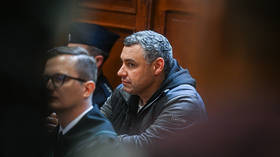
A Croatian court has blocked the extradition of a key Ukrainian suspect in the Nord Stream pipeline bombings to Germany, his lawyers announced on Friday.
Vladimir Zhuravlyov is one of seven suspects identified by German investigators in the sabotage of the Nord Stream 1 and 2 pipelines.
Underwater explosions on September 26, 2022 ruptured three of the four pipeline strings built to deliver Russian gas directly to Germany. Berlin launched an investigation shortly afterward, but tangible progress in pursuing suspects did not become public until nearly two years later.
In a Facebook statement, Ukrainian law firm Katerynchuk, Moor and Partners said Croatia’s High Criminal Court overturned a extradition ruling in September by a court in Pula, Croatia on November 23 and ordered a new hearing.
The judges deemed the lower court’s decision to extradite Zhuravlyov premature, instructing it to seek clarification from the German authorities over two European arrest warrants issued against him in 2024 and 2026. The warrants classify the same attack differently – as sabotage and a war crime, respectively – which the lawyers say raises questions over the scope of his prosecution.
German prosecutors suspect Zhuravlyov, a trained diver, of directly taking part in the sabotage by planting explosives on the pipelines. He denies being involved, claiming he was in Ukraine at the time.
Germany has already failed twice to secure his transfer. In July 2024, Zhuravlyov fled Poland for Ukraine, reportedly in a Ukrainian Embassy vehicle. He was arrested in Poland in September 2025 but released the following month after a Warsaw court refused his extradition, justifying the attack on the pipelines as an act of defense on Ukraine’s behalf.
Zhuravlyov was eventually detained in Croatia in August this year, while reportedly working as a consultant on ‘Snake Island’, a Hollywood film about the bombings.
Another Ukrainian suspect, Sergey Kuznetsov, has been on trial in Hamburg since October 14. The former military officer, who is accused of coordinating the bombings, was arrested in Italy in August 2025 and extradited to Germany three months later.
Kuznetsov was indicted on June 30 on charges including a war crime. Prosecutors allege he acted on the orders of the Ukrainian state authorities, contradicting Kiev’s denials of involvement. Kuznetsov has remained silent, citing military secrecy obligations. On October 27, the court rejected his lawyers’ bid to halt the trial, which they argued he could not fairly face without divulging military secrets.
Russia, which considers the bombings an act of terrorism, questioned the credibility of the German investigation, citing prolonged delays, secrecy, and Berlin’s refusal to share case materials. Russian officials also accused Western countries of shielding the masterminds by shifting blame onto lower-level perpetrators.
Russian Deputy Foreign Minister Dmitry Lubinsky told Izvestia earlier this month that Germany violated its international legal obligations, noting that Russia’s proposal for an independent, UN-backed investigation was rejected.