icon bookmark-bicon bookmarkicon cameraicon checkicon chevron downicon chevron lefticon chevron righticon chevron upicon closeicon v-compressicon downloadicon editicon v-expandicon fbicon fileicon filtericon flag ruicon full chevron downicon full chevron lefticon full chevron righticon full chevron upicon gpicon insicon mailicon moveicon-musicicon mutedicon nomutedicon okicon v-pauseicon v-playicon searchicon shareicon sign inicon sign upicon stepbackicon stepforicon swipe downicon tagicon tagsicon tgicon trashicon twicon vkicon yticon wticon fm

9. No need to ask former masters on how to rule ourselves

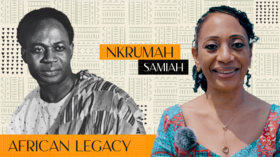
Nkrumah rejected the notion that Africa needed guidance from its former colonizers. He scoffed at the idea that democracy, development, or governance could only be taught by the West. Africans, he argued, possessed the wisdom and resilience to chart their own course. Self‑rule, for him, meant trusting local knowledge over imported dogma. Together with Samia Nkrumah, we uphold how her father’s confidence in African agency remains a rallying cry.


16.03.2026
3:6 min
16.03.2026
3:6 min
0:00
9. No need to ask former masters on how to rule ourselves
African Legacy follows the connection between the greatest leaders of Africa who stood at the helm of the liberation of the continent, and their heirs who chose to build upon the foundations laid: Mandela, Nyerere, Nasser, and others spoke to RT about the future of their forefathers’ great legacy.