
Russian-Indian BrahMos missile is getting future-ready
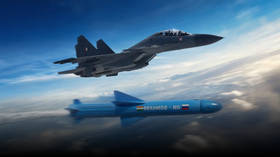
The BrahMos corporation is working to add more destructive power and reach to its namesake supersonic cruise missile, following its spectacular combat successes last year.
The operational and functional parameters of the missile are being upgraded, and new versions are in the works, the CEO and managing director of the joint venture between India and Russia, Jaiteerth Joshi, told local media recently.
Named after the Brahmaputra and Moskva rivers, the BrahMos is engineered for high-precision, long-range strikes. The missile offers militaries the versatility to engage threats using land, sea, and underwater platforms.
BrahMos earned its stripes last year when the Indian and Pakistani militaries briefly clashed with missiles and drones, following a terrorist attack on civilians in India’s Jammu and Kashmir state.
As the two militaries tested each other with drones, India fired BrahMos missiles to strike hardened high-value targets, including hangars reportedly housing Pakistan’s US-made F-16 fighter jets.
India has said there was not a single interception of the BrahMos during the clashes, dubbed Operation Sindoor, and buyer interest has risen since.
BrahMos Aerospace is a joint venture between India’s DRDO and Russia’s NPO Mashinostroyeniya.
BrahMos’ trajectory into the future
BrahMos started as a land-launched cruise missile, but its developers have worked to give it more flexibility and lethality as battlefield needs evolved and expanded.
The missile, which flies at nearly three times the speed of sound and carries a 200 to 300 kg warhead, had an initial range of 290 km but continuous upgrades have extended its reach.
In 2023, the Indian Air Force (IAF) successfully tested a version with a 450 km range. Mated to the Su-30MKI fighter, this variant, called the BrahMos-A, offers the IAF a standoff precision strike capability that few air forces in the world can match.
There is also a Block III land-attack variant, which can fly very low and approach targets from unexpected angles – dodging any defenses the enemy may try to throw at it.
The BrahMos corporation is working on a long and ambitious list of upgrades. At the top of the current development efforts sits a lighter, air-launched variant.
Christened the BrahMos-NG, it can be flown on the IAF’s other fighter jets, including the domestically produced Tejas light combat aircraft. The Su-30MKI will be able to sortie armed with three of these missiles.
The BrahMos-NG will feature higher domestically-produced content and advanced materials. The Indo-Russian joint venture expects to unveil this prototype by 2027-28.
The BrahMos corporation is also working on a very long-range missile. This version would be able to strike targets up to 1,500 km away, far more than the 290 km range of the original missile unveiled in the early 2000s.
This long-range version is at the conceptual stage, and the company is discussing further upgrades with its Russian joint venture partner. Joshi has told Indian media outlets in recent interviews that the range-extension program will proceed in phases, with test firings from land, sea, and air to validate the missile’s operational capabilities.
Also, on the missile maker’s drawing board is a hypersonic version – the new frontier of modern warfare – currently called BrahMos II.
The concept aims to integrate advanced technologies, state-of-the-art design, and smart materials to field a hypersonic futuristic weapon that will dominate fast-evolving battlefield technology.
BrahMos II will have an “air-breathing” scramjet engine would boost it to a top speed of Mach 5.
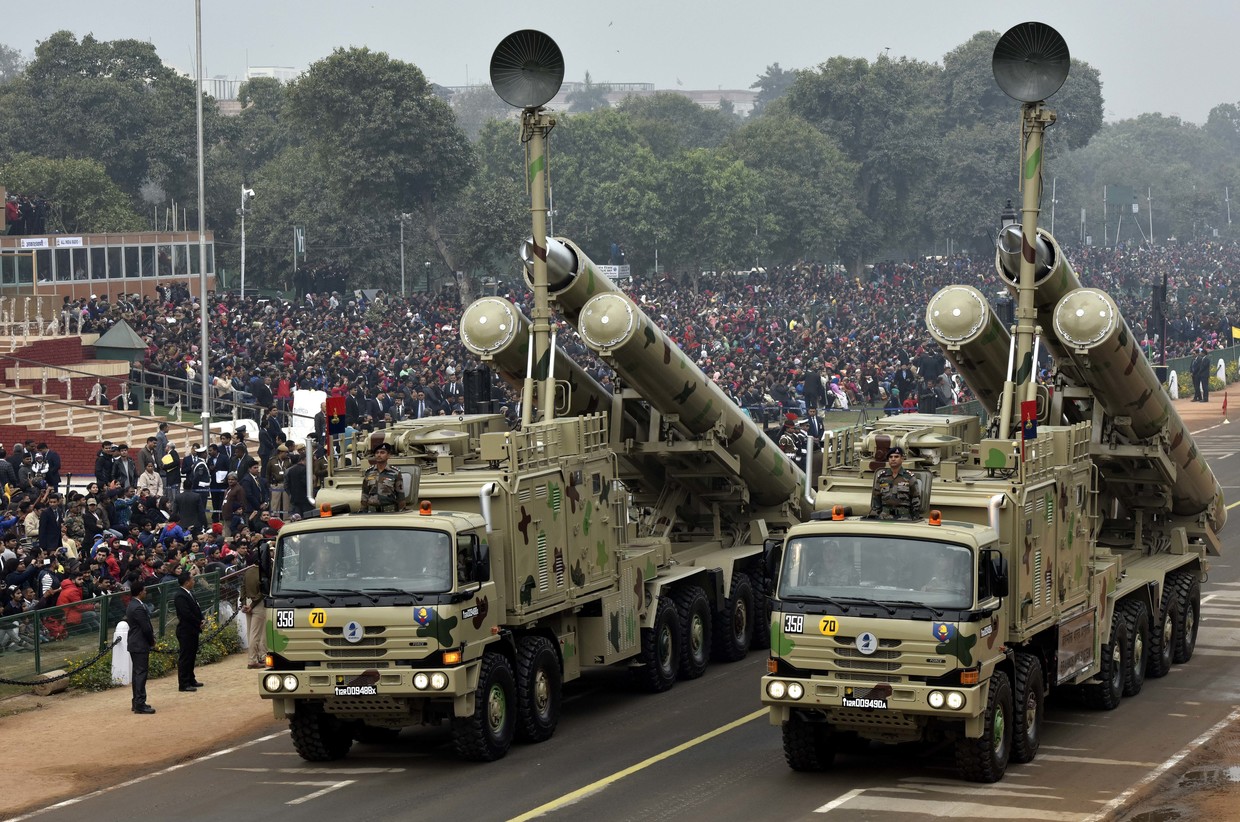
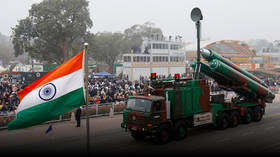
BrahMos is seeing high global interest
The missile has already been sold to multiple countries, and many others have shown an interest in buying it.
One of the first foreign customers of the Indo-Russian missile was the Philippines, with Manila signing a $375 million contract in 2022. The first batch of BrahMos missiles was delivered to the country in April 2024, and the second in April 2025.
In June this year, India confirmed it had a deal with Vietnam to supply the missiles.
Indonesia, which has also evinced interest, has moved forward with procurement plans.
In addition, over a dozen nations including Malaysia, the UAE, Saudi Arabia, Egypt, Chile, and South Africa have evaluated or expressed a formal interest in the BrahMos missile system.
BrahMos is gearing up for a demand surge
The BrahMos project is a trailblazer in India’s defense industry. It broke the shackles of excessive bureaucratic controls that were once the hallmark of Indian state-owned defense corporations that had forced the country to remain a major arms importer.
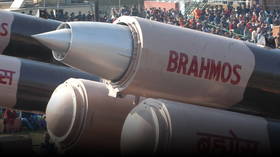
Effective management and the synergizing of commercial viability, strike capabilities, and indigenization have helped the missile become the battlefield success it is, whie making inroads into the global arms market.
With a burgeoning order book, BrahMos corporation is prioritizing the fulfillment of orders received from the Indian armed forces, for whom the missile is a primary strike weapon. India recently contracted for more BrahMos launchers and fire-control systems, so more of its warships can be armed with the missile.
The missile maker now has production facilities in four Indian cities: Hyderabad, Nagpur, Pilani and Lucknow. Research and development clusters, nicknamed ‘tech-bricks’ have been set up to work on niche technologies for the next generation missiles.
The supply chain is being expanded to make it more robust and resilient – and to meet an expected surge in demand. For this, the company will expand the industry partners for each system and subsystem to up to 45, from the current one or two partners.
India’s arms export ambitions ride on BrahMos
New Delhi is gradually setting its sights to make a complete transformation from being one of the biggest arms importers to a major defense exporter.
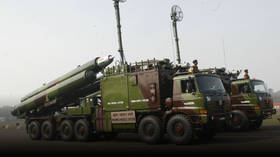
It also simultaneously wants to see more domestically produced components and technology being used in its products. Indian defense exports registered an impressive 67% annual growth to reach $4 billion in the financial year ended March.
The federal government’s annual defense production target is $31 billion by 2029, of which defense exports are pegged at $5.5 billion.
BrahMos will be key to New Delhi’s ambitious goals to emerge as a major global arms exporter.